|
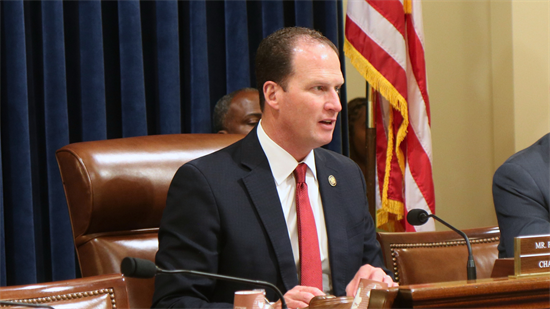
Read Chairman Pfluger's opening statement for the markup below as well:
“This is a major first step in a series of crucial reforms. Every piece of legislation we’ll consider today is bipartisan, and I want to thank Ranking Member Magaziner and his staff for their partnership in this important effort. For the past year, a major focus of this Committee has been conducting oversight and learning as much as we can about the threat landscape ahead of major national events, including the World Cup, which is just a few short weeks away. As we were reminded in our Police Week roundtable that we held this morning, the bad guys only have to be right once, but we have to be right every time. And DHS I&A is on the frontlines. It’s no secret that I&A has had challenges in the past. Concerns around mission overreach, political bias, and other hurdles have hurt this agency’s reputation. Yet, everyone here recognizes how important I&A’s mission is to securing the homeland, which is why we’re here today considering seven bipartisan bills that aim to refocus the agency’s mission and improve efficiency, training, and oversight, so that I&A can fully realize and embody its unique stakeholder-facing role. I strongly support all of the bills under consideration in today’s markup.”
Background:
I&A was created in 2004 to serve as the hub for intelligence information sharing between the federal government and state, local, tribal, territorial, and private sector (SLTTP) partners.
I&A has unique authorities, making it the only Intelligence Community (IC) element statutorily required to deliver intelligence to SLTTP partners and develop intelligence from those partners for DHS and the IC. However, politicization risks and concerns regarding the protection of civil liberties under previous administrations have warranted continued oversight and reform.
According to a 2025 report by the Government Accountability Office (GAO), I&A has failed to consistently complete policy requirements “due to a lack of leadership focus.”
Chairman Pfluger has long advocated for I&A reform to ensure that the office is best serving the nation in the way it was intended. In March, Chairman Pfluger also introduced the “Field Integration of Homeland Intelligence Act of 2026,” which would require the DHS secretary to transition I&A from a headquarters-based model to a field-based model within two years, better integrating fusion centers and law enforcement partners across the country.
This markup was after the Subcommittee's closed-door roundtable for Police Week, bringing together national law enforcement organizations, fusion centers, community-based security partners, and DHS I&A. The discussion focused on strengthening collaboration, preparing for major national events, and advancing ongoing reforms within I&A.
|