|
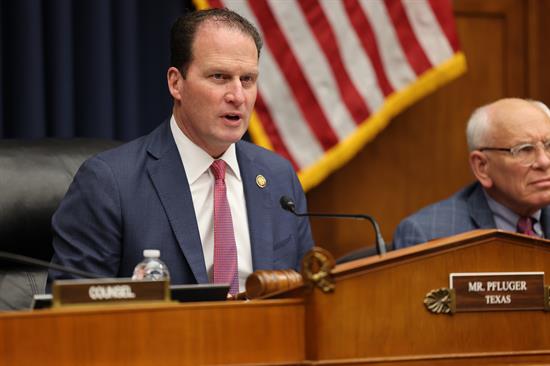
Read highlights from the exchange between Rep. Pfluger and witnesses here:
Rep. Pfluger: I'll focus on the rural aspect [of Brownfield Sites]. It's obviously an outsized economic impact when done correctly, but also, there are limitations on staff, and y'all have talked about this today, and that's kind of where I want to start, but it does make a huge difference when we do this correctly. I'll start with Mayor Tomson. What are the biggest practical barriers that rural towns face when trying to access or administer EPA Brownfield Grants, and specifically, are we talking funding levels or cost-sharing requirements? Are there restrictions or technical capacity? Can you talk us through that?
Mayor Tomson: Yes, sir, it's a little bit of all of that. Resources are very important. The program, the funding I talked about, how we really don't want to compete with the big entities, because we probably would lose the ability to have the funding that we've had in the past. From a technical standpoint, we also in rural communities don't have the expertise to do the things we need to do for these grants, and that's where we rely on the EPA's technical assistance Brownfield Centers, which do a great job. And then also our partners at the state level, also with the Brownfield Program, make a big difference, and it's leveraging their knowledge, their expertise, that allows us to be successful.
Rep Pfluger: Thank you for that, and I'm glad to hear good, positive comments on the EPA assistance as well. Mr. Wells, how can federal policy better support state Brownfield responses and those programs in assisting small rural communities, as the mayor just mentioned, that don't have the staffing to navigate the cleanup or the redevelopment on their own?
Mr. Wells: We serve in that role of helping people walk through the process, and adequately funding the components of the program that fund our work there is critical.
Rep. Pfluger: Are there specific examples where you can cite that, that it is in states, or that you know of examples that have gone well and those that have not gone well?
Mr. Wells: With our help, I'm not aware of any that haven't gone well.
Rep. Pfluger: I'll turn to Mr. Robinson. You mentioned that you just talked about some permitting with my colleague. And you know what conditions make a Brownfield Site viable for private investment, and then what role should the federal incentives play in ensuring that these projects are financially feasible without overriding local priorities? How does that fit into some of the permitting discussions?
Mr. Robinson: One point that I really wanted to make was that we do take community involvement. There was a description of a data center coming to a town, ignoring the local community. That's certainly not how we do our data center projects. We often have community information sessions where we go into the community, even before we buy the land, and we share what our plans are. I've done three of them in the last month alone, going into the community, getting feedback, sharing with them what we'd like to do with the site that helps gain trust, and add transparency to the process. Many of our permits are local permits, so that really helps the process from a permitting standpoint, earlier I mentioned we have not taken advantage of the Brownfield Programs, the Brownfield Sites that we've developed, and there's six plus that we've done as a company as part of our sustainability mission, taking Brownfield Sites, putting them back into productive use, making it part of the digital infrastructure for this new age. We've not had to use any of those grant programs to date. I can't really specify any issues that need to be rectified.
Rep. Pfluger: Mayor Tomson, just on a cost basis, without some of these permitting reforms as we craft this legislation, give us an idea of what the cost could be if we don't streamline and make it more efficient for some of the staffing positions. You have to go out and hire attorneys. You have to go do different things that maybe a small community like mine is not set up to do.
Mayor Tomson: Well, I think especially when you look at the EPA technical assistance Brownfield Centers, they actually had a twenty percent staffing cut through the DOGE efforts, and that has hampered their ability to support local rural communities in some of the advice and technical assistance. Shoring that up would be very, very helpful, very interesting.
|