|
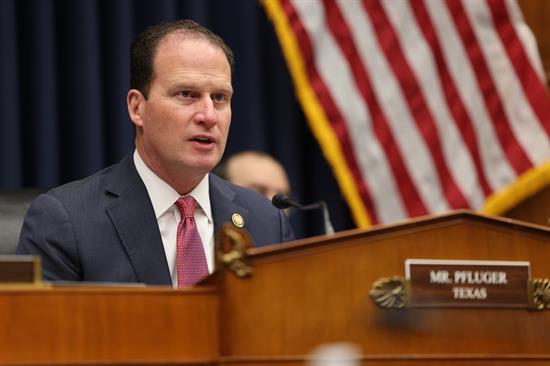
Read highlights from the exchange between Rep. Pfluger and the witnesses below:
Rep. Pfluger: This is such an important issue coming from a district in West Texas where water is both scarce and also hampered by the over-regulated nature of bureaucracy at times, and that's really what I want to talk about, because access to safe drinking water is obviously non-negotiable, and every community deserves that. But the way we regulate it, the way we fund it, the way we transmit it to our communities, is critical as well. And I'd argue that most water systems in our country are small, and they don't have the compliance departments or the in-house counsel that some of the big operators do. So when Washington adds new mandates, whether it's monitoring requirements, reporting layers, labor rules, or procurement standards, these requirements land on rural communities in an outsized and negative way. And that's my community that we're talking about here. And we've got to understand what this means for rate payers, because in those small communities, it also impacts the price that people are paying for water.
Rep. Pfluger: Ms. Murley, thank you for being here. Are small and rural water systems facing unique challenges in accessing federal infrastructure funds? And if so, can you kind of go into detail about that?
Ms. Murley: Yes, I would point you to a series of work that we have done on state capacity to handle the influx of IIJA funds, both drinking water and clean water. We've looked at the state of New Mexico, we looked at South Carolina, and we looked at the U.S. Virgin Islands. I would say that each state has different demographics and different challenges, either human capacity, technical capacity, or organizational challenges to receive those funds. And we've done work and made recommendations to the agency for improving those areas.
Rep. Pfluger: I have 10, 15, maybe even 20 communities that are searching for those funds. Right now, they're looking to see how they can help because of the issues we just described. Where should I point them? Is it that report that you mentioned? Are there other areas that we can highlight to them?
Ms. Murley: I would point them to the agency. I think one of my colleagues testified today about an application for technical assistance, and I would look to that as the best area to go.
Rep. Pfluger: Thank you for that. The scarcity issue in West Texas, a drought-prone area that does not receive a lot of rain, is a real issue. We rely heavily on groundwater, and you know, the population growth is also tied to that scarcity issue as well. But Mr. Hill, in drought-prone areas like the one that I serve, what does the long-term water reliability planning look like for a small system?
Mr. Hill: So we have to have a water conservation plan with the Office of Water Resources in Alabama and a privacy agency. So we ran into droughts in the 90s. We laid a 10-inch HDPE line on top of the ground. We put a pump station into a larger source, and we got ahead of that problem, and we ended up putting a pump station on a reservoir, which is larger than our primary reservoir. We have run six miles of 24-inch ductile iron pipe in Russellville to date. Today, I'm here to proudly say we should not be in another drought condition, because our board had the insight and understanding of how important that water is for industry and communities to thrive.
|